Why Smoothing Leggings Feel Different in a Warm Room Than a Cold One
Quick Answer: Elastane becomes more compliant as it warms, so the same smoothing legging holds firmer in a cool room and softer in a warm one. Body heat over hours does the same thing from the inside. That means the pair you fitted in a cold shop in October will feel looser in a heated room, and a summer purchase will feel tighter in winter. Buy to feel correct after 20 minutes of wear at your normal indoor temperature, not on first pull-on.
They were perfect in the fitting room.
By 3pm at your desk they feel like a different garment.
Six hours did not wear them out. The temperature changed.

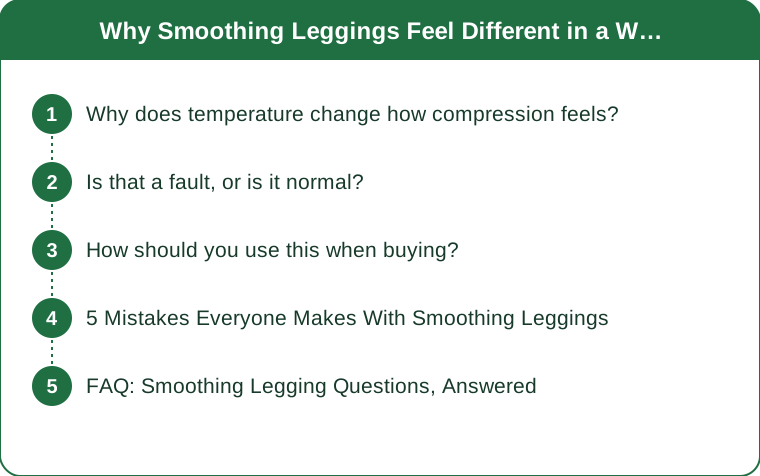
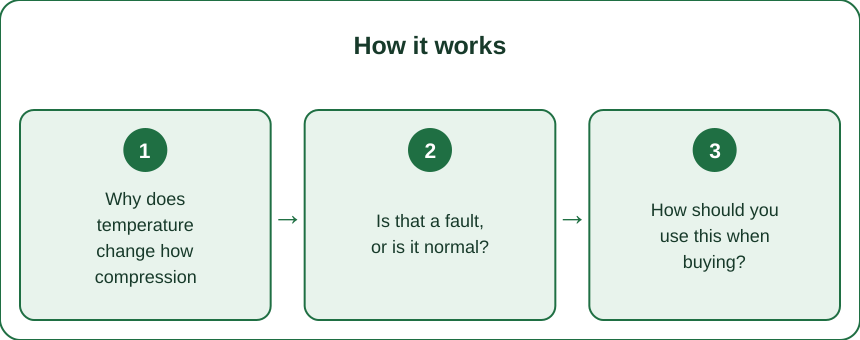
Why does temperature change how compression feels?
Because elastane’s stiffness genuinely varies with heat.
Elastomeric fibres get more compliant when warm. The polymer chains move more freely at higher temperatures, so the same amount of stretch requires less force. Less force means less perceived compression against your body.
Body heat warms the garment from the inside within minutes. Skin temperature is well above room temperature, and a close-fitting legging equilibrates fast. This is why the first 15 to 20 minutes always feel firmer than the rest of the day.
Room temperature governs the outer face. In a cold room the outside stays cool and the fabric overall stays stiffer. In a heated room the whole garment sits near skin temperature, and the difference is genuinely noticeable.
Humidity contributes too. Nylon absorbs a small amount of moisture and softens slightly. A humid room, or a sweaty session, adds to the effect.
Fabric weight decides how much you notice. Heavier, denser smoothing knits with high elastane content show the largest swing. Lightweight everyday leggings barely change.
A useful number: the difference between a 62°F changing room and a 76°F office is enough for most people to describe the same legging as firm versus relaxed.
Is that a fault, or is it normal?
Normal — and the absence of it is the actual warning sign.
Responsiveness means live elastane. A legging that feels identical cold, warm, fresh and at hour eight has usually lost its recovery. That is the pair to replace.
The settling window should be 15 to 20 minutes. Firm on pull-on, settled into supportive within about twenty minutes, stable after that. That profile is healthy.
Continued loosening all day is not normal. If a pair keeps relaxing past the first hour and is baggy at the knee by evening, the elastane is fatiguing rather than responding.
Rolling at the waist under heat is a fit problem, not a temperature one. Warmth reveals it; the waistband was already sitting where your body changes shape when you sit.
A big cold-to-warm swing can mean the size is marginal. A pair sitting at the top of its stretch range feels dramatically different across conditions because small changes in fabric stiffness produce large changes in perceived hold.
And the pattern reverses in cold weather. The pair that felt too relaxed in July may feel genuinely restrictive on a 40°F morning walk. Same garment, different physics.

How should you use this when buying?
Six practical rules for fitting a smoothing legging.
Wear them for 20 minutes before judging. In a shop, that is not available — so account for it. Anything that feels perfect on pull-on in a cool fitting room will feel looser than you want in real use.
Note the fitting room temperature. Retail changing rooms are often cool, which flatters compression garments. This is worth knowing about, because it makes everything feel more supportive than it will be at home.
Do the sit test, not the standing test. Sitting is where waistbands fail, and warmth makes it worse. Sit down for a full minute in the fitting room.
Squat and hold. Check both opacity and whether the waistband migrates. Do it after a few minutes of wear, not immediately.
Buy for your usual environment. If you spend your days in a heated office, fit for the warm end. If you are mostly outdoors in autumn and winter, the cool end matters more.
Do not size down to compensate for warm-room softening. You will get a pair that is genuinely too tight in every other condition, and squeezing a garment beyond its comfortable stretch range shortens its life significantly.
Seasonal note: late summer into autumn is the trickiest buying window of the year, because shops are air-conditioned while the outdoors is still warm. A legging fitted in an August shop routinely feels a size looser on the first warm walk home.
5 Mistakes Everyone Makes With Smoothing Leggings
Mistake one: judging fit in the first 30 seconds. Every compression garment feels firmest on pull-on. Deciding then leads to buying a size too large about half the time.
Mistake two: sizing down for more hold. More compression than the fabric is designed for produces rolling, digging and premature elastane failure. If you want more hold, buy a higher-compression style in your correct size.
Mistake three: expecting the same feel year-round. The same pair genuinely behaves differently in February and August. That is the fabric working, not degrading.
Mistake four: tumble drying them. Heat plus mechanical action is the fastest way to destroy the responsiveness described in this article. Air dry, always — and this matters more for smoothing styles than for any other legging, because they have the highest elastane content.
Mistake five: wearing the same pair two days running. Elastane recovers with rest as much as with washing. 24 hours between wears makes a measurable difference to how long a pair keeps its hold, which makes owning two pairs cheaper than owning one.
And the bonus one: using fabric softener. It coats the fibres, reduces elasticity and traps odour in synthetics. On a smoothing legging it does more damage than on anything else in the drawer.
FAQ: Smoothing Legging Questions, Answered
How long should they take to settle?
15 to 20 minutes. Firm at first, then stable. Continued loosening after the first hour suggests fatigue rather than settling.
Should I size up if a warm room makes them feel loose?
No. Size for a correct fit at your normal temperature after 20 minutes of wear. Sizing around temperature swings leads to a pair that is wrong most of the time.
Why do they feel tighter in winter?
Elastane is stiffer when cool, so the same garment holds more firmly. Nothing has changed but the temperature.
How do I stop the waistband rolling?
Check the fit seated rather than standing, and look for a wider, seamed waistband. Rolling is usually a shape mismatch at the waist-to-hip ratio, which warmth exposes rather than causes.
How often should I wash them?
After every sweaty wear, cool wash, no softener, air dry. Airing is fine after a light wear.
How long should a pair last?
With rotation and air drying, comfortably a year or more of regular wear. Tumble drying can cut that to a few months.
When do I know they are finished?
When there is no difference between how they feel fresh from the wash and at the end of a long day. No response means no recovery left.
TL;DR:
- Elastane is more compliant when warm, so the same legging holds firmer in a cool room and softer in a heated one.
- Body heat does the same from the inside — expect a 15 to 20 minute settling window.
- Responsiveness is a good sign. A pair that feels identical in every condition has lost its recovery.
- Fit for your usual indoor temperature after 20 minutes of wear, not for the first pull-on in a cool changing room.
- Never tumble dry, skip softener, and rest pairs 24 hours between wears.
Before you decide a pair does not fit, put them on and wait twenty minutes. That is the whole test.
See It in Motion
Seen here: High Waist Yoga Leggings with Inner Pocket — shop it on bubblelime.com
Keep Reading
This article is for general informational and styling purposes only. Fit, sizing, and product availability may vary — check current details before purchasing.