Seamless vs Seamed Activewear: Which Is Right for You?
Quick Answer: Seamless activewear is knitted as a tube with almost no stitching — soft, unrestricted, ideal for yoga, lounging and sensitive skin, but lighter on support. Seamed activewear is cut-and-sewn panels engineered for compression and shaping — better for running, HIIT and heavy training, at the cost of potential friction points. Most wardrobes want both, matched to the workout.
Activewear splits into two tribes, and most people own a mix without ever knowing which is which.
Seamless knits hug like a second skin. Seamed construction sculpts like gentle armor. Neither is better — they’re different tools, and the drawer that has both stops having bad workout days.
What’s the actual difference in construction?
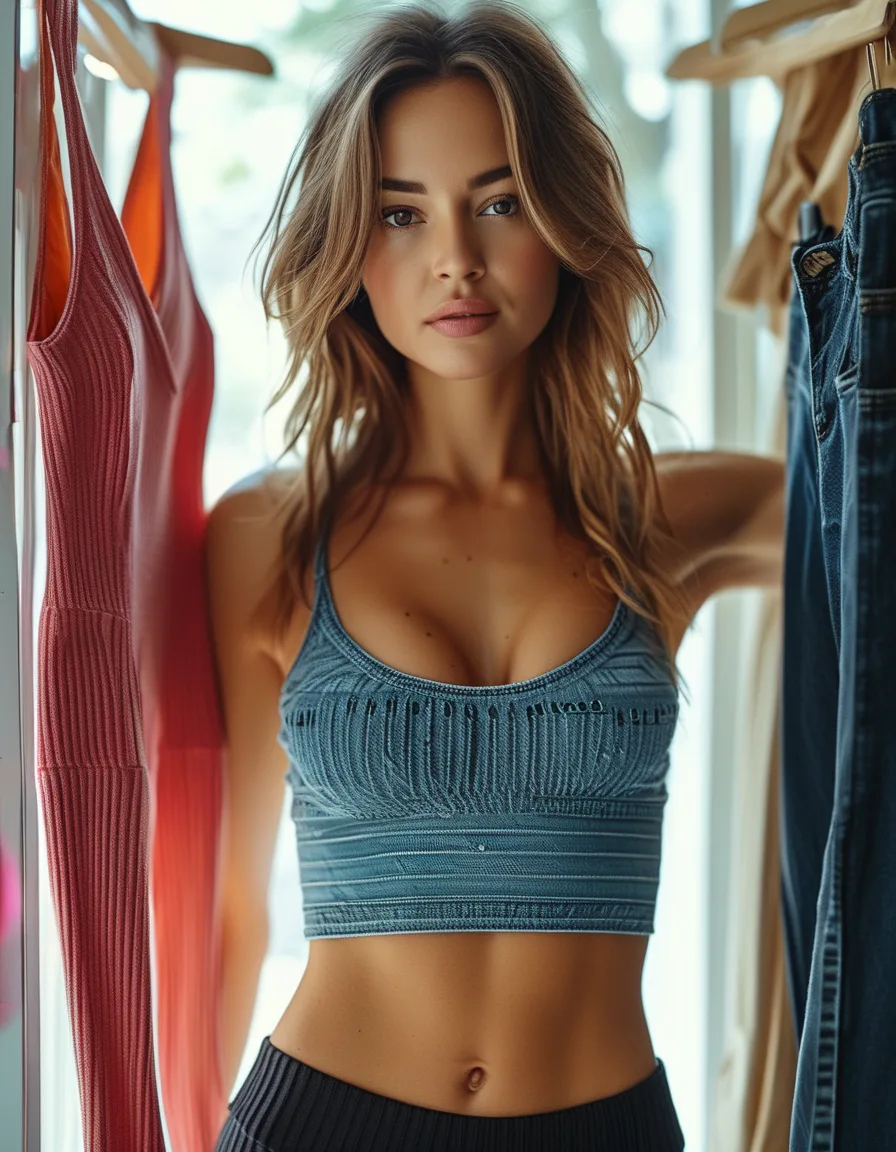
Seamless is knitted in the round on a circular knitting machine — essentially produced as a continuous tube, with texture, ribbing and support zones knitted directly into the fabric. Stitching is minimal, usually just at the waistband and hem. The result is maximal stretch and almost nothing to rub against your skin.
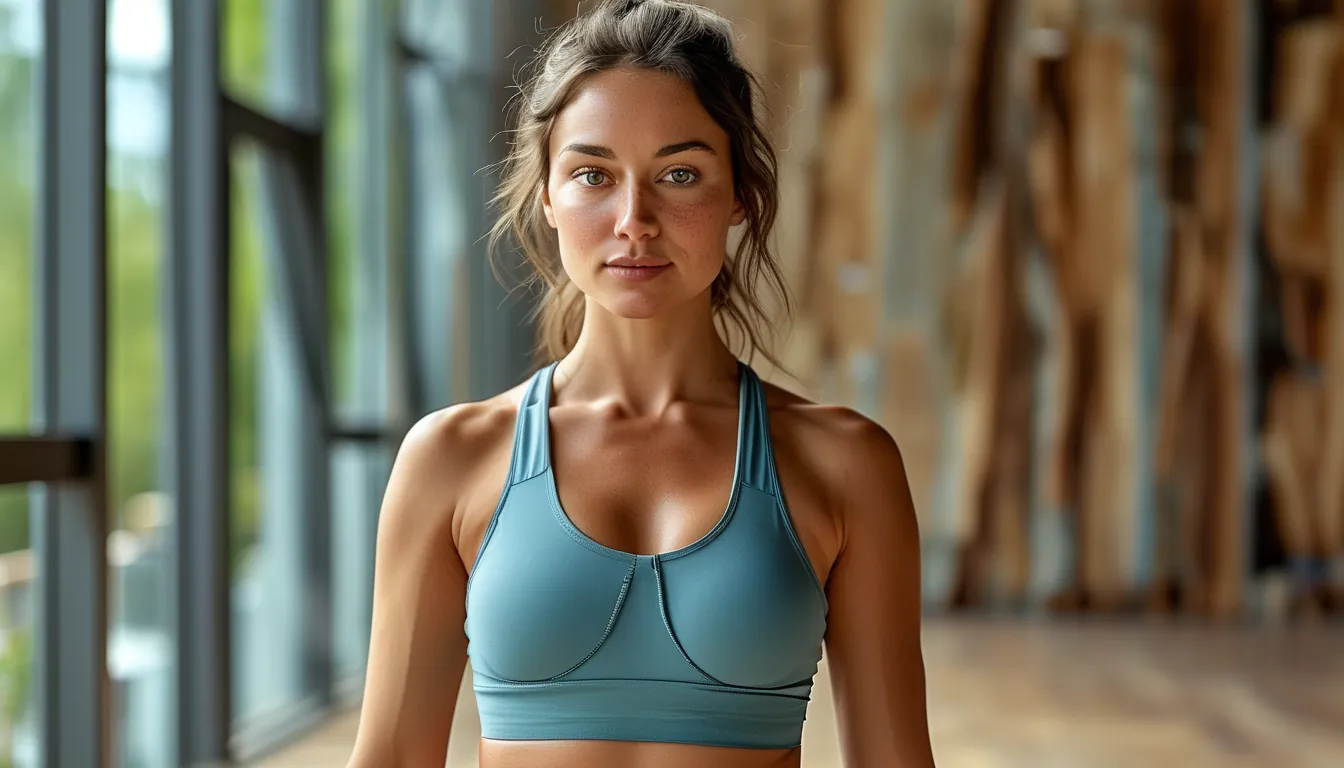
Seamed (cut-and-sew) is made the traditional way: flat fabric cut into panels and stitched together. Each panel can use a different fabric weight or stretch direction, and the seam placement itself is a design tool — it’s how compression gets targeted and how shaping lines get created.
The trade-off in one line: seamless gives you comfort and freedom; seamed gives you control and structure. Everything else follows from that.
When should you choose seamless?
Best for: yoga, Pilates, barre, stretching, walking, lounging, sleep-adjacent athleisure, travel, and anyone with sensitive skin or seam-related irritation.
Why it works: nothing rubs and everything moves. In deep hip openers and long floor sequences, seams that sit across a crease become genuinely noticeable over an hour. Seamless removes that variable entirely.
The knitted-in ribbed textures also add visual interest and a bit of forgiveness — the pattern breaks up the surface in a way flat fabric doesn’t.
The trade-off: lighter compression and less structural support. A seamless legging generally has more give, which is exactly what makes it comfortable and exactly what makes it a poorer choice for a heavy squat session or a long run.
When should you choose seamed?
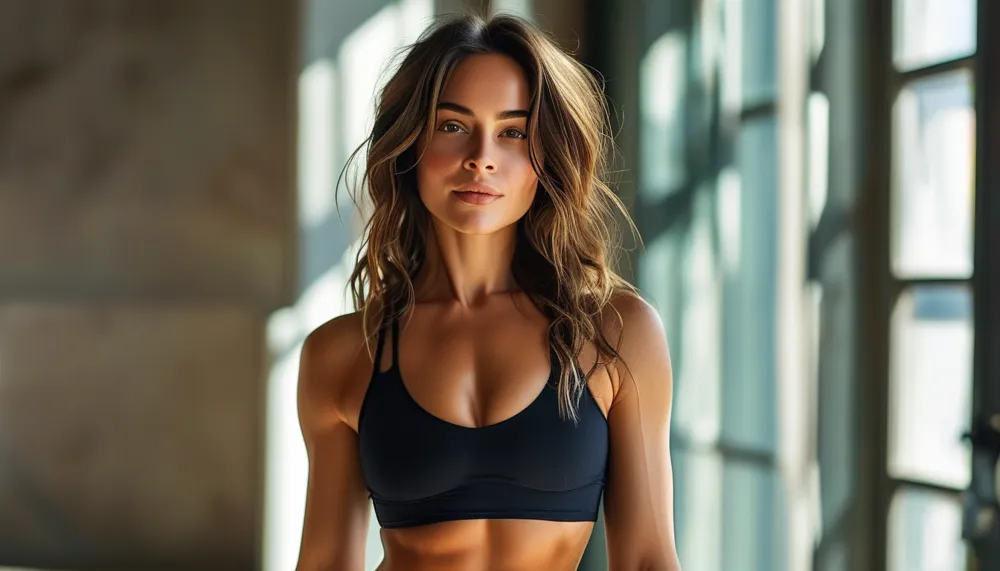
Best for: running, HIIT, strength training, cycling, tennis, and any workout with impact, sweat volume or a serious need for things to stay put.
Why it works: panels create targeted compression exactly where you want it. The waistband is anchored by construction rather than by fabric tension alone, which is why a well-made seamed squat-proof high waist legging doesn’t roll down during a set the way a soft seamless pair might.
Seam placement also does visible work — strategic lines can lengthen the leg line and define shape in a way knitted texture can’t.
The trade-off: every seam is a potential friction point on long wears. For a 45-minute class this is irrelevant. For a three-hour hike or a marathon, seam placement becomes something you notice with real feeling.
How do you match construction to your workout?
A simple sorting rule:
| Activity | Choose |
|---|---|
| Yoga, Pilates, barre, stretching | Seamless |
| Walking, travel, lounging | Seamless |
| Running, HIIT, plyometrics | Seamed |
| Strength training, heavy lifting | Seamed |
| Cycling, spin | Seamed (and check the inseam) |
| Sensitive skin, all-day wear | Seamless |
| Long-distance hiking or endurance | Seamed, but check seam placement carefully |
High impact and high sweat: seamed compression. Flow, stretch and rest days: seamless comfort.
Most people’s drawers want both — it’s not a marriage, it’s a toolkit. Two or three of each covers essentially everything.
What quality checks should you run on each?
For seamless:
- Recovery. Stretch the fabric with both hands and release. It should snap back promptly. Slow recovery means bagging at the knees and seat within a few wears.
- Opacity in a squat. The non-negotiable test. Seamless fabric thins as it stretches, so check it under real load in real light, not standing still in a fitting room.
- Waistband depth. With less structure elsewhere, the waistband is doing more work. A wide, flat band holds; a thin one rolls.
For seamed:
- Flatlock stitching. Look at the seams — flatlock stitching lies flat against the skin instead of forming a raised ridge. It’s the difference between comfortable and chafing over long wears.
- Waistband construction. A properly constructed band has multiple layers and often a hidden inner elastic. Squeeze it — it should feel substantial.
- Seam placement. Check that no seam runs directly along a high-friction line (inner thigh, under the arm) if you’re buying for endurance activity.
For both: check the fabric weight. Anything that feels flimsy in your hand will feel flimsier after twenty washes.
Myth vs Fact
Myth: Seamless is always more comfortable. Fact: More comfortable at rest and in low-impact movement, yes. During high-impact work, the lack of support can make it less comfortable — the fabric moves with you in ways you’d rather it didn’t.
Myth: Seams cause chafing. Fact: Badly placed or badly finished seams cause chafing. Flatlock construction with sensible placement is comfortable for hours.
Myth: Seamless means squat-proof. Fact: These are unrelated. Opacity depends on fabric density and knit tightness. Always run the squat test regardless of construction.
Myth: Seamed activewear is more expensive. Fact: Both run the full price range. Quality within each construction varies far more than the average price between them.
Myth: You should pick one and stick with it. Fact: Nobody does one type of workout. The drawer that speaks both languages is the drawer you always reach into confidently.
FAQ
Is seamless or seamed better for running?
Seamed, generally — the compression and anchored waistband matter more at impact, and the support keeps everything stable. Check that the seams are flatlock and don’t sit on the inner thigh.
Does seamless activewear lose its shape faster?
It can, since it relies on fabric recovery rather than construction for its shape. Test the snap-back before buying, and wash cold and hang dry to extend the life of the elastane.
Which construction is better for sensitive skin?
Seamless, clearly — there’s simply far less physical contact and friction. It’s the primary reason seamless dominates the sleep-adjacent and all-day-wear categories.
TL;DR:
- Seamless = knitted tube, minimal stitching, maximum comfort, lighter support.
- Seamed = cut-and-sewn panels, targeted compression, real structure, potential friction points.
- Flow and rest days: seamless. Impact and heavy training: seamed.
- Quality checks: seamless needs recovery + squat opacity; seamed needs flatlock seams + a substantial waistband.
- Own both. Two or three of each covers every workout you actually do.
Keep Reading
This article is for general informational and styling purposes only. Fit, sizing, and product availability may vary — check current details before purchasing.